






多益聽力高分秘訣!學會「抓關鍵字」,再難的對話也聽得懂!
發布時間:2026/01/10
更新時間:2026/01/10
準備多益聽力的時候,很多考生都有這種感覺:「聽得懂單字,但不知道在講什麼。」其實問題不在聽力,而在沒有預測能力。
所謂「預測題意」,就是在音檔播放前,先根據題目快速猜出:對話可能出現的場景、人物關係、討論主題,甚至答案類型。只要提前進入情境,你就不會被長對話搞得措手不及。
多益聽力高分秘訣!

利用題目關鍵字預測對話場景
音檔還沒播放前,先掃一眼題目。
看到像是「Why is the man calling?」或「Where does the conversation probably take place?」這些關鍵字就是提示!
- 題目問「Where」→ 留意場景名詞,如:office, store, airport。
- 題目問「Why」→ 聽行動目的,如:confirm, complain, request。
這樣一來,音檔一開始就能有方向,不用等聽完整段才開始猜。
開聽前先看題
考生應善用「題組說明」或「上一組做完的空檔」,快速掃過下一組的題目與選項,記住關鍵字與情境。
如果真的沒時間看完全部,也不用慌——先看題目,再看選項,一樣能有效提升命中率。
答案順序規律:
- 第一題 → 通常在對話開頭出現
- 第二題 → 通常在對話中段
- 第三題 → 通常在對話結尾
掌握這個順序,就能更有方向地聽題。
題目關鍵字有哪些?

主旨題:掌握對話重點就能拿分
題目常出現關鍵字:「What are they talking about / discussing / the purpose of…」這題基本上是送分題!
就算沒聽清楚全部,也能靠語氣或重點字眼推出對話主題。
身分職業題:從內容判斷對方是誰
看到「Who is…」或「What…job/work」時要特別注意。
例如:如果提到「訂房時間」、「入住人數」,那很可能是飯店櫃檯。
關鍵不在背單字,而是用語情境判斷身分。
行動建議題:注意「接下來要幹嘛」
題目如果出現「plan to do / do next / suggest / recommend」,要先搞清楚題目問的是「誰要做什麼」。
答案通常藏在最後一兩句,例如:
- Let’s try it tomorrow.
- You should call him.
問題類題型:找出「麻煩在哪」
關鍵字有:「What’s the problem / What’s wrong / What is he concerned about」
聽到「The problem is…」或「I’m worried because…」幾乎就是答案線索出現的時候。
推論題:考的是邏輯,不是聽力
題目如果出現「most likely / probably / inferred / implied」,代表答案不會直接講出來。
要靠上下文合理推測,而非只聽誰說了什麼。
例如:
A:He’s packing his suitcase again.
B:Yeah, he travels almost every week.
→ 可推論此人「工作常出差」。
實戰練習
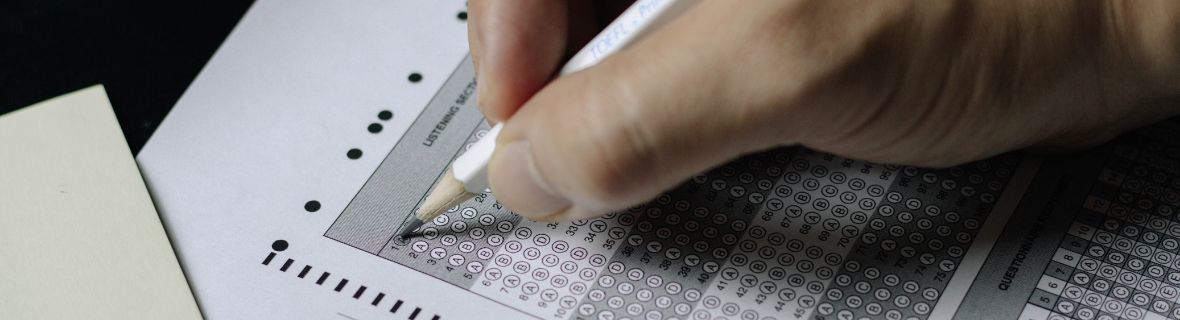
例題
- Hi, Olivia. Have you finished the research for our upcoming negotiation with the supplier?
嗨,Olivia。我們即將和供應商談判的研究資料準備好了嗎? - Almost. I just need to update the memo with the latest stock figures.
快完成了。我只需要把最新的庫存數據更新到備忘錄裡。 - Good. The executive director will expect a full brief before the meeting this afternoon.
很好。執行董事今天下午開會前會期待一份完整的簡報。 - Right. He always insists on knowing every detail.
對,他總是堅持要知道每一個細節。 - That’s true. Last time, he even asked for a list of adjectives we could use to describe our new products during the presentation.
沒錯。上一次他甚至要求我們列出在簡報中可以用來形容新產品的形容詞清單。 - (laughs) Yes, he pays attention to everything. But honestly, his meetings are always productive.
(笑)是啊,他真的很注意每個細節。不過老實說,他主持的會議總是很有效率。 - Absolutely. Let’s make sure this one runs just as smoothly.
完全同意。我們一定要讓這次會議也同樣順利進行。
1. What are the speakers mainly discussing?
對話提到 research, memo, executive director 以及 brief before the meeting,明顯是在討論為商業會議做準備。
→ 關鍵句:The executive director will expect a full brief before the meeting this afternoon.
What are the speakers mainly discussing?
說話者主要在討論什麼?
- A new marketing campaign
一項新的行銷活動 - Preparations for a business meeting
商務會議的準備工作 - Delays in a product shipment
產品出貨延遲 - Changes to the company’s website
公司網站的變更
她在第二句說明:「I just need to update the memo with the latest stock figures.」
→ 表示她還需要更新備忘錄裡的庫存數據。
What does the woman say she still needs to do?
這位女士說她還需要做什麼?
- Schedule a phone interview
安排一場電話面試 - Review product descriptions
檢視產品說明 - Update a memo with stock figures
更新包含庫存數據的備忘錄 - Meet with the executive director
與執行董事會面
女方說:「He always insists on knowing every detail.」
→ 顯示執行董事非常注重細節。
What do the speakers say about the executive director?
說話者對執行董事有什麼描述?
- He often cancels meetings.
他經常取消會議 - He pays attention to details.
他很注重細節 - He is planning to retire soon.
他計畫很快退休 - He prefers written communication.
他偏好書面溝通





 時代國際LINE